


Meeting you where you are
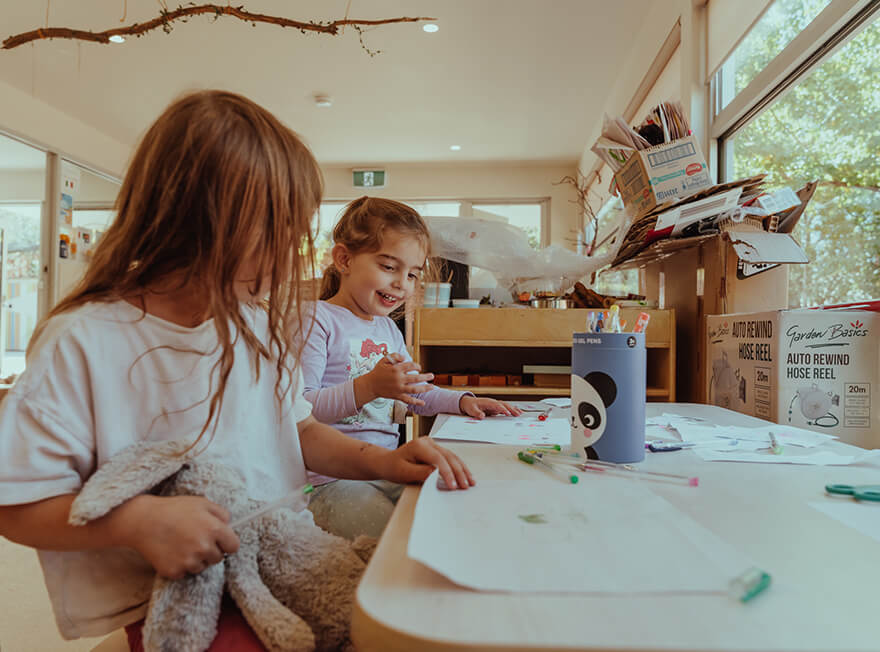
We create endless opportunities for lifelong learning by meeting you and your children ‘where you are.’ What does this look like?
- Working in relationship, together
- Being respectful and responsive to the needs that are showing up
- Curiosity and staying curious that little bit longer
- A program that each child and family can see and feel themselves in
- Making place and local context shine in everything we do
- Warmth, delight and joy in the magic of childhood
- Honouring moments that matter
Relationships sit at the heart of early childhood education. We want to know your child’s interests, abilities, skills, and existing knowledge, because it’s vital to a quality relationship.
Teaching standards
All ECMS teachers, educators and services work within the Department of Education what overseen by the national regulator, the Australian Children’s Education and Care Quality Authority (ACECQA).
Our teachers are registered with the Victorian Institute of Teaching. They follow all professional teaching and child-safe standards, development frameworks and related legislation, and fully support the United Nations Convention on the Rights of the Child.
Our place-based approach
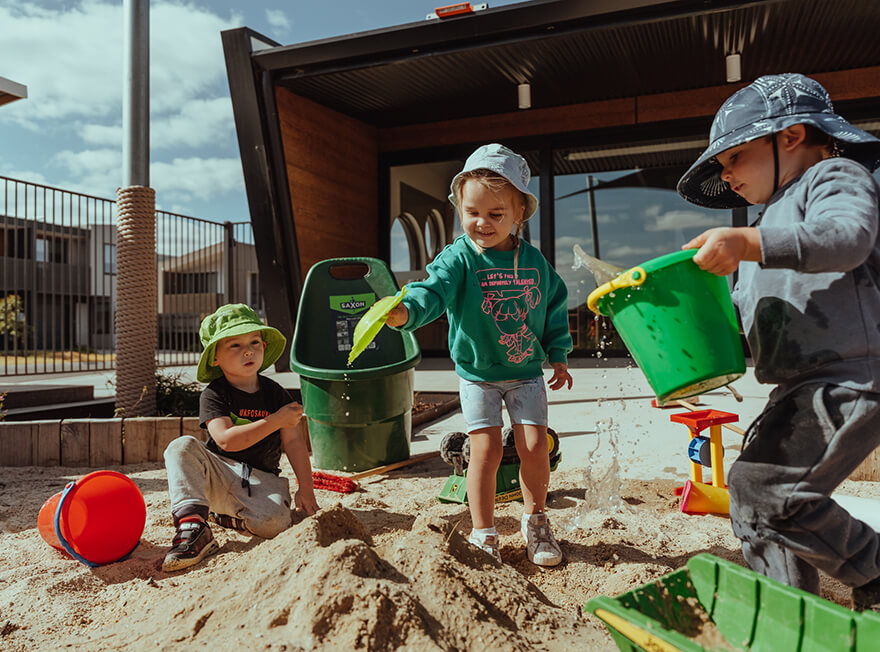
At ECMS, the place in which a child learns and grows and who else is with them in their learning is important to us. We know that every person comes from someplace and that someplace matters in the context of who they are and the relationships they are in.
Our vibrant early childhood education programs empower children to become active participants in their education by connecting them with their surroundings, and fostering a sense of identity and purpose in the process. We invite children to know who and where they are and encourage them to make their own meaning of the world around them.
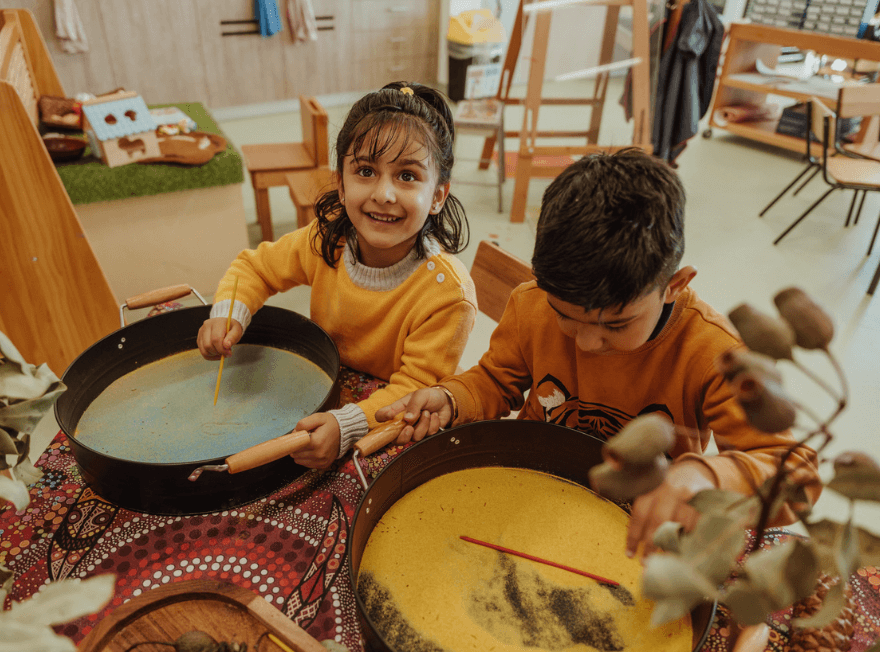
Recognising that relationships matter includes more than just the relationships between people. It is also the relationship of place. The importance of place at ECMS means that we honour Aboriginal and Torres Strait Islander perspectives and their connection to this land.
How we celebrate diversity and support inclusion
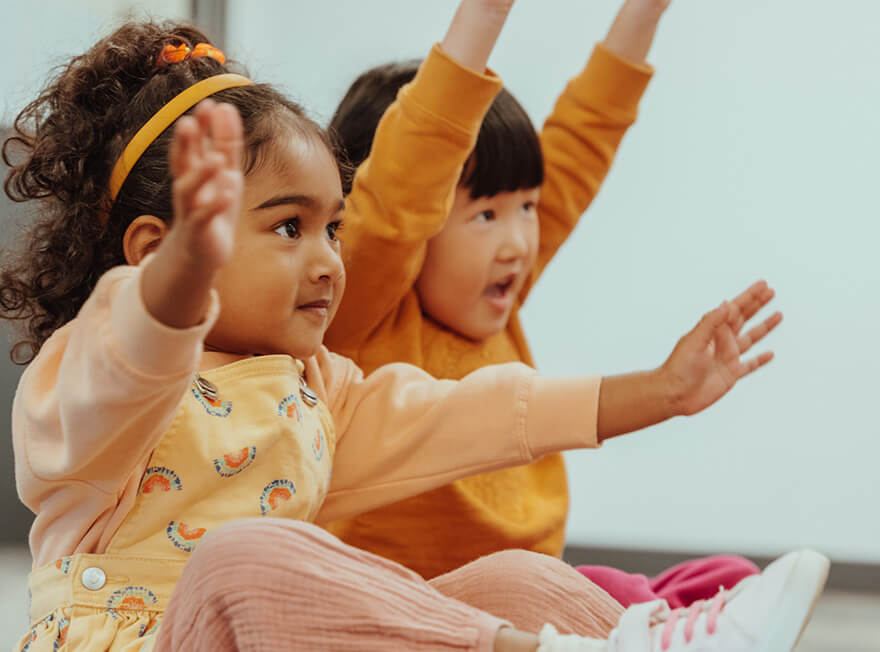
The wellbeing and safety of children is at the centre of everything we do, and part of that is ensuring children from culturally and linguistically diverse backgrounds feel welcome and develop a sense of belonging. As a child safe organisation, we have an ongoing commitment to equity and inclusion. While we don’t host gender-titled events, there are many different ways we celebrate families and special people in a child’s life. Our place-based approach means those ways will be informed by the unique characteristics of your service’s community.
We’re committed to ensuring our services are accessible and meet the needs of all children. In some circumstances, additional support can be
provided. This may be for short periods or ongoing.
Please speak with your child’s educator if you believe your family or child will require additional support. If you are already engaged with an allied health professional, your educators would be keen to support this work within the program. As well as your child’s educators, we have a support team that includes experienced leaders, teachers, coaches, and social workers who aim to help our teaching teams create inclusive environments that foster lifelong learning.
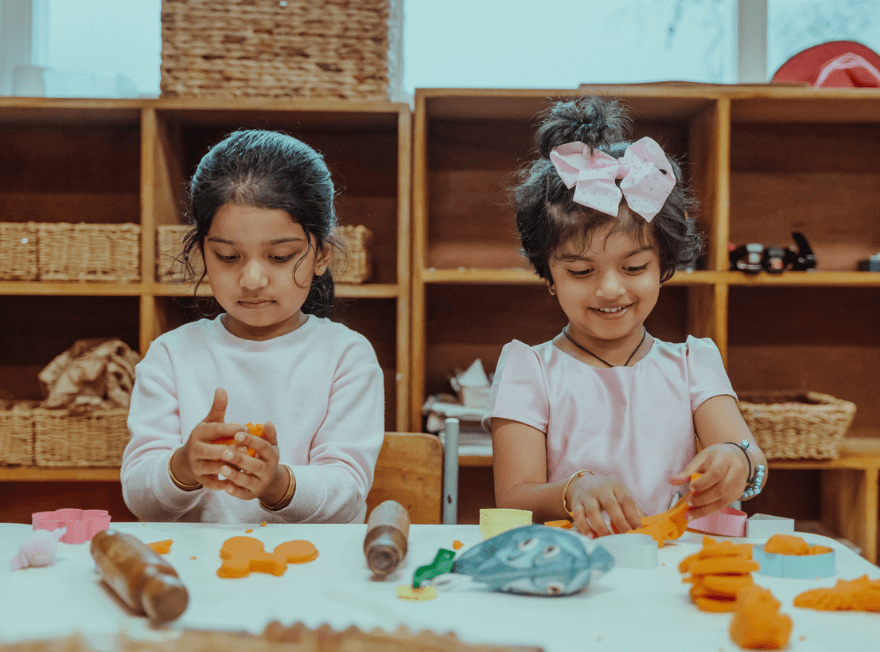
The importance of play
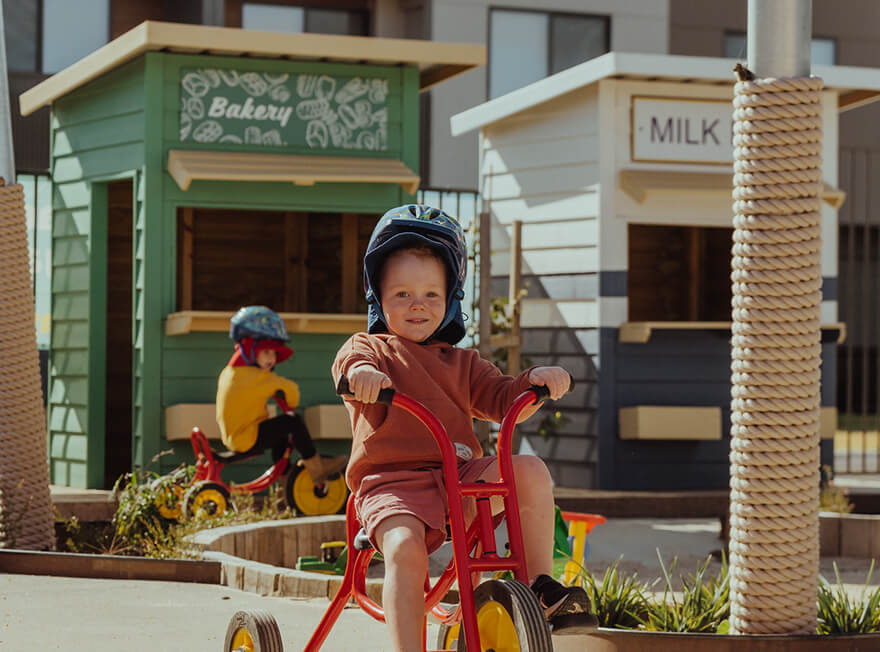
Learning at ECMS happens through play. All our services operate in accordance with the National Early Years Learning Framework (EYLF) and the Victorian Early Years Learning and Development Framework (VEYLDF). These frameworks have a strong emphasis on learning through play.
During play children learn life skills such as confidence, how to develop and sustain relationships, emotional regulation, problem solving, empathy and resilience.
Our teaching teams create a safe and fun place for children to explore their environment and challenge themselves within play. Engaging in risky play helps children learn problem-solving, persistence and resilience.
Our teachers are experts in child development theories and early years play-based learning. They guide children’s learning based on what they already know and can do, while introducing opportunities through play to stretch and grow children’s skills and knowledge.
Working with families
Our responsibilities as a trusted provider of early learning for your child are to safeguard all children, foster the best learning outcomes, guided by the Early Years Learning Framework (EYLF) and the Victorian Early Years Learning and Development Framework (VEYLDF) and manage all the educational, compliance, industrial, financial and operational obligations required of early childhood service providers.
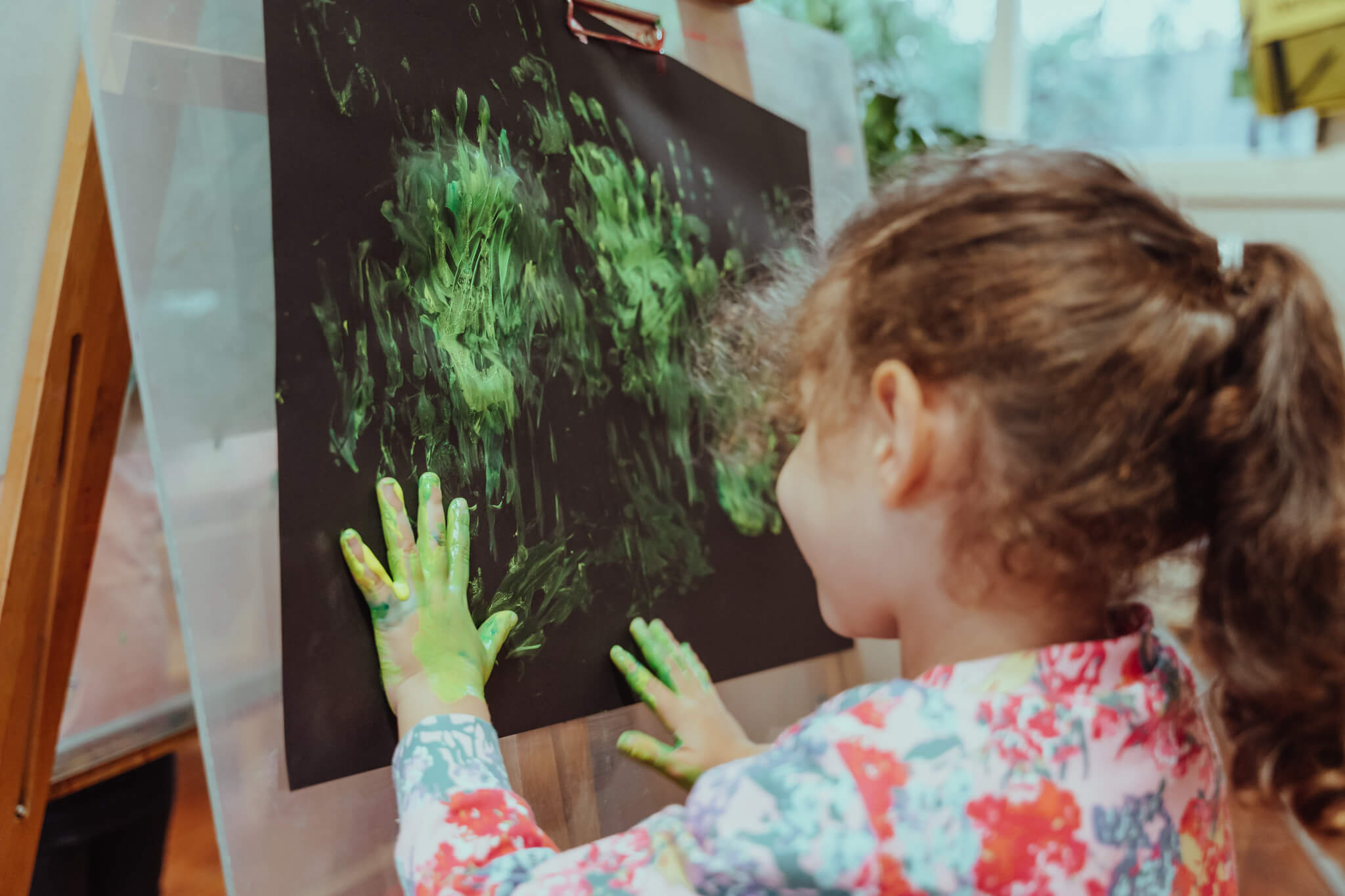
To do this well we work closely with families to understand the unique needs of each child, and we rely on families to bring a positive influence to our learning community and model supportive and respectful behaviour.
This includes:
Treating everyone with respect, including the service team and other children
Using social media positively
Using the appropriate channels to address complaints or concerns
We encourage families to be involved in their child’s learning. Planning of events within the learning program is part of our role, but there are opportunities for family involvement in targeted fundraising and family engagement activities outside normal operating hours at many of our services. These have a long tradition at our services, where there are many great ideas for fundraising and community partnerships, including food drives, tea towel decorating, plate designing, plant and seedling sales, welcome picnics and lantern nights.
If you have a question, fill out the form and one of our team will get back to you.


ECMS acknowledges Aboriginal and Torres Strait Islander peoples as the first inhabitants of the nation and the traditional custodians of the lands on which we live, learn, work and play. Aboriginal people have a long tradition of teaching and learning through sharing their connections with country, community, language and culture. We recognise their continuing connection to the country, and we pay respects to elders past and present.