


About Us
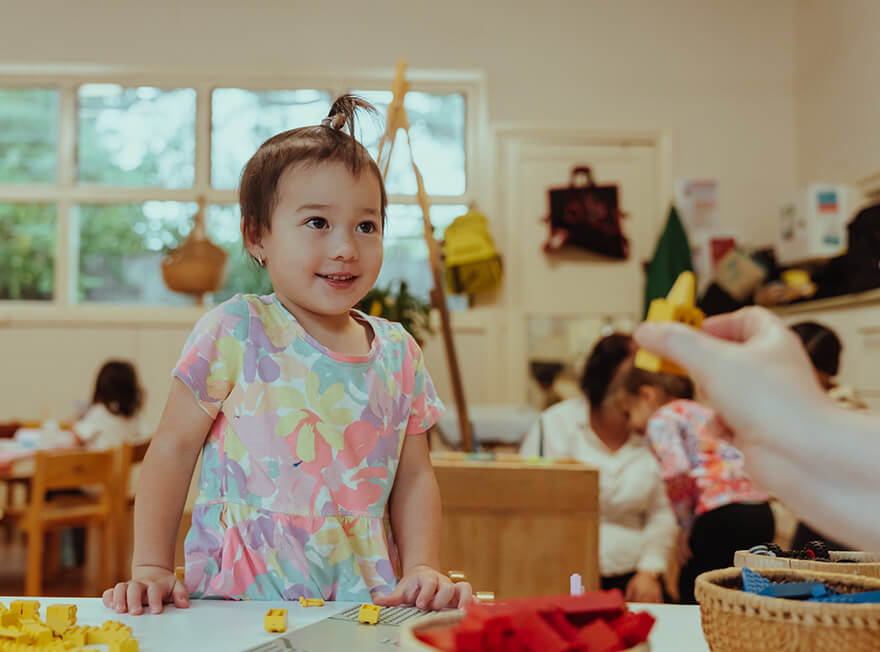
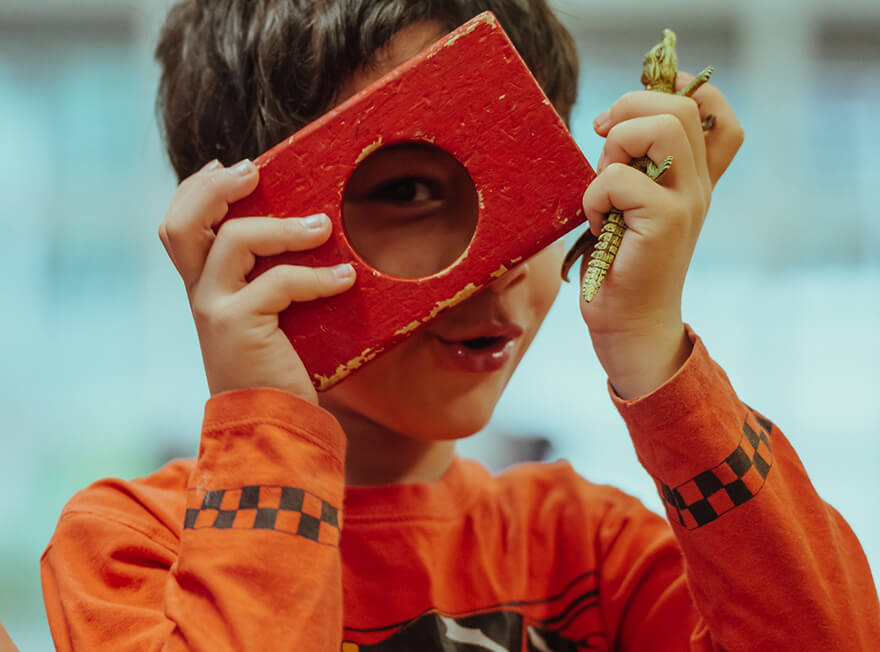
At Darebin Creek Kindergarten, we offer an engaging play-based learning program for three- and four-year-olds that nurtures curiosity, builds friendships, and fosters self-confidence, independence, and a lifelong love of learning.
Our brand-new, purpose-built facility features three warm, welcoming rooms and a beautifully landscaped outdoor play area inspired by bush kinder principles. Each space is thoughtfully equipped with resources designed to spark curiosity, inspire creativity, and challenge young minds in meaningful ways.
Finding our kindergarten
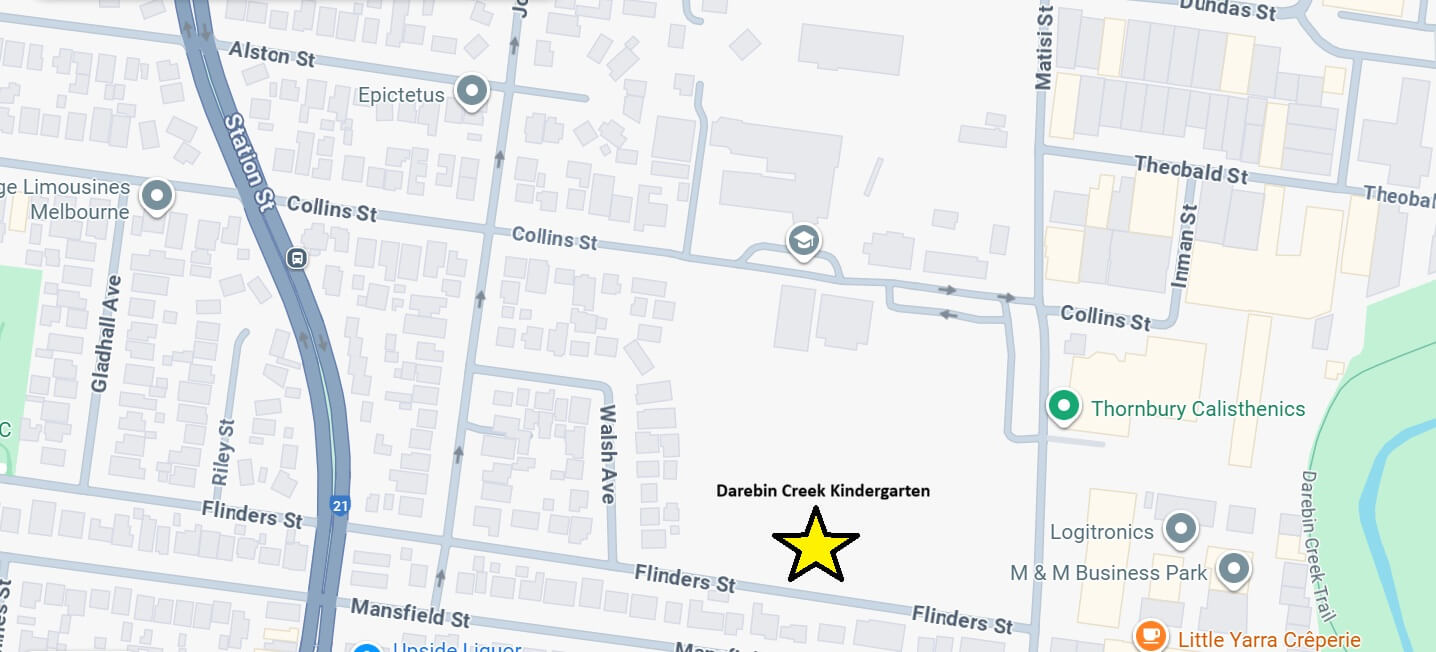
We are located close to the corner of Walsh Avenue and Flinders Street. If you’re using GPS or online maps, please note there’s a known issue with the location pin, which may place the service slightly incorrectly.
We’re currently working to have this corrected. In the meantime, we recommend navigating to the Walsh Ave & Flinders St intersection and looking for signage once you arrive nearby. If you need a hand finding us, our team is always happy to help, just give us a call.
Darebin Creek Kindergarten
Address
Open Hours
Phone
 Share
Share


Centre Philosophy
At Darebin Creek Kindergarten, we believe children thrive when families, educators, and the community work in genuine partnership. By building strong, respectful relationships, we create an environment that supports every child’s learning and development.
We aim to provide a space where children feel happy, safe, and accepted; engage in play-based learning; express themselves freely; and develop a deep appreciation for the world around them.
Our dedicated educators value collaboration, respect individual strengths, and maintain open communication. Together, we create a nurturing environment where every child is empowered to grow, learn, and flourish.
Learn more about the pre-prep program rollout
Your child may be eligible for more hours in 2026
Meet our Nominated Supervisor
Centre Highlights

Inspiring play spaces

Qualified and nurturing teaching teams

Learning through play

Child safe environments

Regular communication

Community visits and exploring
Frequently asked questions
Your child will need a backpack or bag, a refillable water bottle, a change of clothes, a wide-brim sun hat and their favourite toy, which can help them settle in. For kindergarten your child will need morning tea and lunch (dependent on the length of the program day).
Children love community visits. Experiencing different environments and groups of people helps them learn. You’ll get plenty of information in advance and have opportunities to ask questions. The centre will also need your written permission before your child can take part.
Germs spread quickly, and home is the best place when we’re unwell. Please keep your child home for at least 24 hours if they show any of these symptoms.
• 38C and higher temperature
• Vomiting or diarrhoea
• Rashes that can’t be explained
• Red, swollen and discharging eyes
• Unusually lethargic, irritable or not eating and drinking
When your child is feeling better with no symptoms for 24 hours, they’re welcome to return.
Infectious diseases
If your child has an infectious disease, please keep them at home and let us know straight away. Whatever you tell us is confidential.
See the list of infectious diseases at www.health.vic.gov.au/infectious-diseases/school-exclusion-table
If your child becomes unwell while at the centre, teachers will make them comfortable and ask you to pick them up. If you’re not available, they’ll call one of the other contacts listed on your enrolment form.
Whether it’s a one-off issue or requires ongoing care, talk to your teachers if your child is on regular medication or has food allergies or intolerances. The team is there to support your family, and the more you can tell them, the better they can help. They will ask you for information from your doctor about how much your child takes and how often. Also, let the team know when anything changes. They will set up a new plan to support you, including any necessary training.
ECMS is a Child Safe organisation. We rigorously follow the child-safe standards set out by the Victorian Government. These standards guide us to drive a child safe culture, provide appropriate strategies and actions to put the interests of children first, keeping them safe from harm. We are committed to involving families and communities in our efforts to keep children safe.
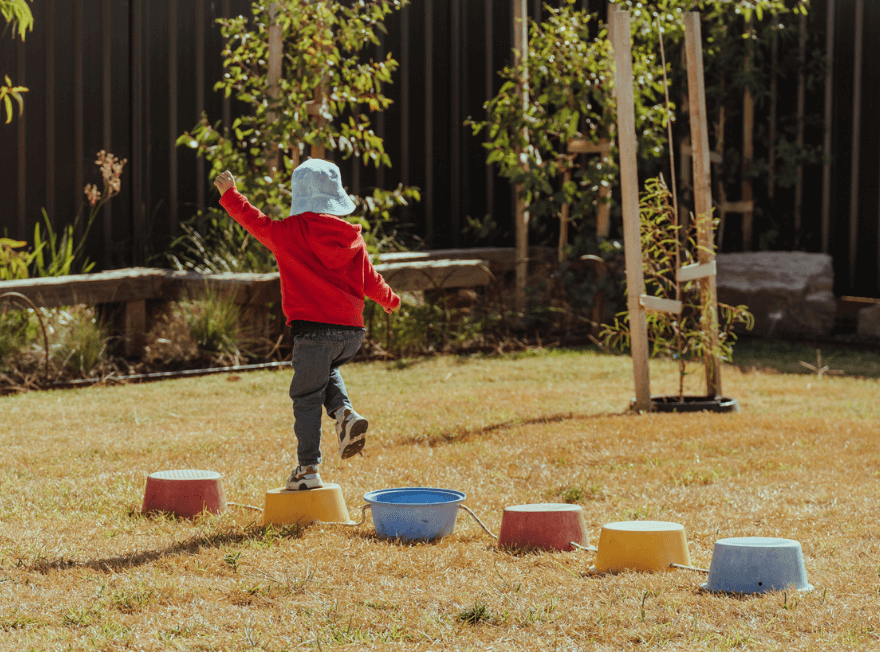
Engaging in risky play is vital for children’s learning and development. Our teaching teams plan for and support opportunities for children to explore their environment and challenge themselves within play. Navigating risk promotes problem solving, persistence and resilience, and in a safe environment, is lots of fun!
Explore a day in the life
Immerse yourself into what a day at our service could look like for you and your family.
Questions about enrolling?
Get in touch and one of our team will help you.


ECMS acknowledges Aboriginal and Torres Strait Islander peoples as the first inhabitants of the nation and the traditional custodians of the lands on which we live, learn, work and play. Aboriginal people have a long tradition of teaching and learning through sharing their connections with country, community, language and culture. We recognise their continuing connection to the country, and we pay respects to elders past and present.